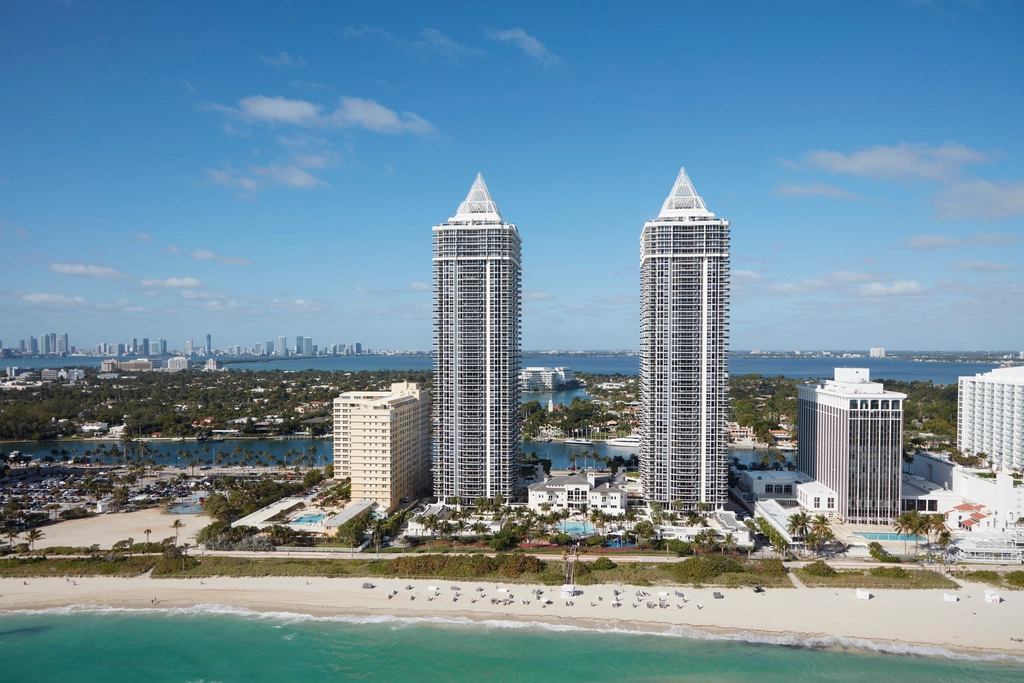
Deductible buy-down insurance sits underneath a property policy and reduces the retention an insured actually carries. Property policies in catastrophe-exposed territories rarely carry a simple flat deductible. Across Florida, Texas, Puerto Rico and the wider Caribbean, named windstorm cover is normally written with a percentage deductible — commonly 2% to 5% of total insured value, and sometimes higher — which can leave an insured retaining hundreds of thousands or several million dollars before the primary policy responds at all.
We place deductible buy-down insurance into Lloyd’s of London for retail brokers, surplus lines wholesalers, MGAs and cedents. This is an area we are actively developing, and if your clients are struggling with percentage windstorm deductibles on catastrophe-exposed property, we would like to talk.
How deductible buy-down insurance works
A buy-down is a separate policy that responds beneath the primary property deductible. It attaches at the lower retention the insured wants to carry and provides a limit equal to the difference between that figure and the deductible in the underlying policy. If a primary policy carries a 5% named windstorm deductible and the insured can only absorb 1%, the buy-down covers the 4% gap.
Deductible buy-down insurance follows the primary policy for perils, valuation basis and occurrence definition, so the two respond consistently and the insured is not left arguing between two sets of wording. Buy-downs are usually written per occurrence, and can be structured per location or with an annual aggregate cap depending on the exposure and the budget.
How we support deductible buy-down insurance
Named Windstorm & Hurricane
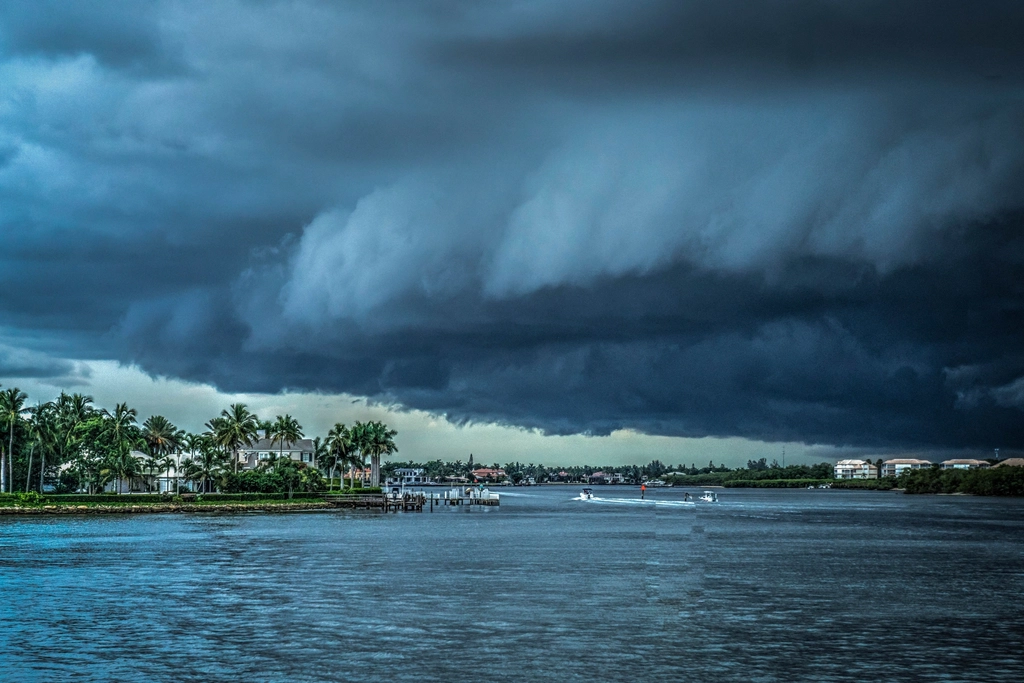
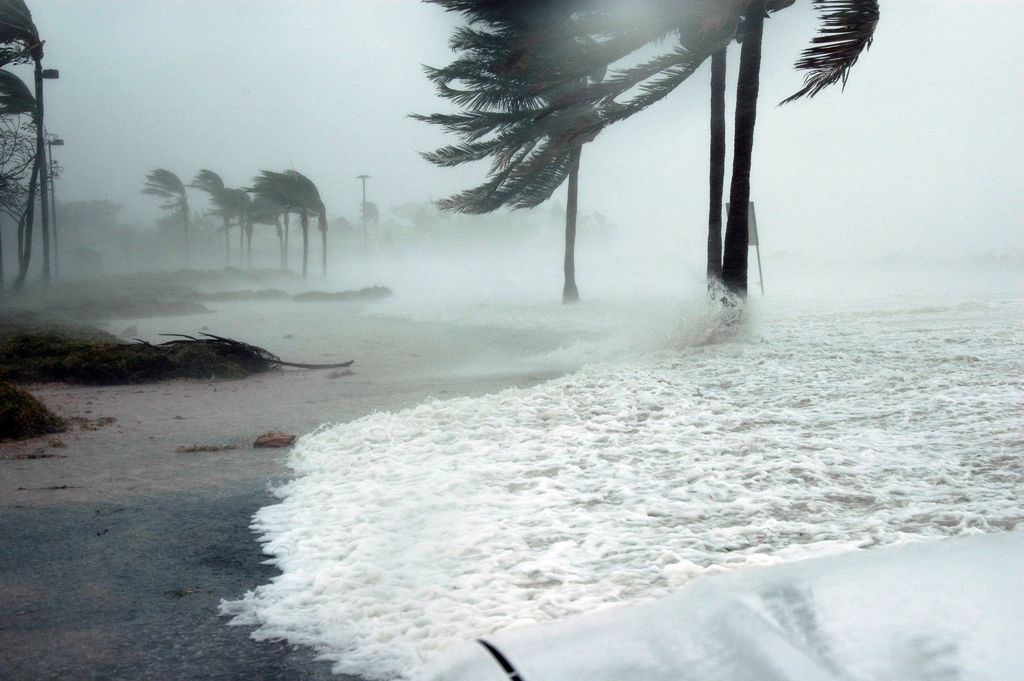
Buying down percentage named windstorm deductibles on hurricane-exposed property — the most common requirement across Florida, the Gulf and the Caribbean.
Wind & Hail
Separate wind and hail deductibles on Texas coastal and inland risks, bought down to a level the insured can actually absorb.
Earthquake & All Other Perils
Earthquake deductibles in Puerto Rico and the seismically exposed Caribbean, plus all other perils buy-downs where the primary retention is too high.
Lender & Contractual Requirements
Where a mortgagee, lender or franchise agreement demands a lower effective deductible than the primary policy provides.
Habitational, Condo & HOA
Condominium and homeowner associations, apartment and multi-family portfolios — the most frequent use of buy-down cover in Florida.
Structure & Capacity
Per-occurrence and per-location structures, annual aggregate deductibles, and limits built to sit precisely against the underlying wording.
Territories we focus on
Florida
Percentage named windstorm deductibles are standard on Florida property, and condominium and homeowner associations are frequently unable to absorb them — the retention can exceed the association’s reserves. Deductible buy-down insurance is often the difference between a placement a board will approve and one it will not.
Texas
Texas risks commonly carry a named storm deductible alongside a separate wind and hail deductible, and coastal exposures bring their own structural requirements. Buy-down cover is used both on the Gulf coast and inland, where hail deductibles on large roof areas can be substantial.
Puerto Rico and the Caribbean
Puerto Rico combines high hurricane percentage deductibles with genuine earthquake exposure, and both can sit on the same placement. Across the wider Caribbean we work with local brokers, cedents and captives whose insureds face the same problem — a primary policy they can afford and a deductible they cannot.
We are also happy to look at the wider Gulf Coast and the Carolinas, and Caribbean territories including the Bahamas, the Cayman Islands, Jamaica, Trinidad and the Turks and Caicos Islands.
Who we work with
We place deductible buy-down insurance for US surplus lines brokers and wholesalers, retail agents in Florida and Texas, local brokers across the Caribbean, MGAs and program administrators, and cedents or captives looking to buy down retentions on a facultative basis. We act purely as your wholesale partner into Lloyd’s — your client relationships remain entirely yours.
What we need to quote
- A schedule of values with total insured values by location, and full COPE information.
- Construction, year built, roof age and roof covering, occupancy and number of storeys.
- Distance to coast and, ideally, geocoded locations.
- Five to ten years of loss history, with detail on any catastrophe losses.
- The primary policy wording, including the exact deductible structure and occurrence definition.
- The retention the insured wants to carry, and the limit and attachment point required.
- Valuation basis, and any lender or mortgagee requirement driving the purchase.
- Modelled output where it is available.
Timing matters
Catastrophe capacity is at its most competitive well before the North Atlantic hurricane season opens on 1 June, and binding restrictions apply once a named storm is in the basin. Submissions that reach us early get the best of the market; those that arrive with a storm already forming rarely get bound at all. If you have a 1 June or 1 July renewal, come to us in good time and we will tell you quickly whether and how we can help.
Capacity is provided by Lloyd’s of London, rated by S&P, AM Best and Fitch. See Lloyd’s current ratings.
Place a deductible buy-down risk
Send us the schedule of values and the primary deductible structure, and we will come back to you quickly on whether and how we can buy it down.